

The Benefits of Integrated Design: Why Architecture and Interiors Should Work in Harmony

When planning a home or commercial space, many people separate architecture from interior design. They think of the building’s structure first and then add interiors as an afterthought. This approach often leads to missed opportunities and design conflicts. The truth is, architecture and interior design work best when planned together from the start. Integrating these disciplines creates spaces that are not only beautiful but also functional and efficient.
Ashwood Living understands this deeply. As a design-build studio, Ashwood Living combines architecture, interiors, and kitchen design into one seamless process. This approach delivers a cohesive vision that meets clients’ needs and elevates their living experience.
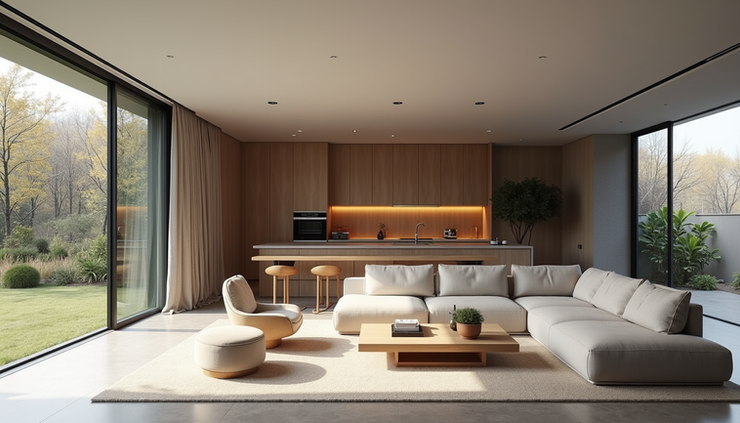
Eye-level view of a modern open-plan living room with integrated kitchen and architectural features
Why Architecture and Interior Design Should Be Planned Together
Architecture shapes the bones of a building — its structure, layout, and flow. Interior design focuses on the finishes, furnishings, and how people interact with the space. When these two are planned separately, the result can feel disjointed. For example, a kitchen island might clash with the room’s structural columns, or a window placement might limit furniture arrangement.
Planning architecture and interiors together allows designers to:
Maximize space efficiency by aligning structural elements with interior needs
Enhance natural light and ventilation by coordinating window placement with room functions
Create a unified style that flows from the building’s exterior to its interior
Avoid costly changes during construction by resolving conflicts early
This integrated approach leads to spaces that feel natural and comfortable, where every detail supports the overall design.
The Role of Kitchen Design in Integrated Planning
Kitchens are often the heart of a home, where function and style must meet perfectly. When kitchen design is included early in the architectural planning, it benefits from:
Optimized workflow with proper placement of appliances, storage, and work surfaces
Better use of plumbing and electrical systems by coordinating with the building’s infrastructure
Consistent material choices that complement the rest of the interiors and architecture
Improved spatial flow between kitchen, dining, and living areas
Ashwood Living’s design-build model ensures kitchens are not just afterthoughts but integral parts of the home’s design. This results in kitchens that feel spacious, practical, and visually connected to the rest of the house.

High angle view of a sleek kitchen island with integrated lighting and architectural ceiling details
How Ashwood Living’s Design-Build Studio Stands Apart
Many interior contractors focus only on finishes and furnishings. Ashwood Living offers a full design-build service, meaning the team handles everything from architectural plans to interior styling and kitchen installation. This integrated service provides several advantages:
Single point of contact simplifies communication and project management
Consistent design vision maintained throughout every stage of the project
Faster decision-making with architects and interior designers working side by side
Cost savings by reducing errors and rework during construction
Clients benefit from a smoother process and a final space that feels thoughtfully designed from the ground up.
Real-Life Examples of Integrated Design Success
Consider a recent Ashwood Living project where the client wanted an open-concept home with a strong connection to the outdoors. By planning architecture and interiors together, the team:
Positioned large sliding glass doors to bring in natural light and connect the living room with the garden
Designed built-in storage that aligned with structural walls, maximizing usable space
Created a kitchen island that doubled as a casual dining area without disrupting the room’s flow
Selected materials and colors that echoed the home’s exterior stonework
The result was a harmonious home where every element felt intentional and connected.

Wide angle view of a spacious living area with large windows and integrated built-in storage
Practical Tips for Homeowners and Builders
If you are planning a new build or renovation, keep these points in mind to benefit from integrated design:
Start with a clear brief that includes both architectural goals and interior preferences
Choose a design-build studio or team that offers both architecture and interior design services
Involve kitchen designers early to ensure the space works well with the overall layout
Be open to collaboration between architects, designers, and contractors for the best results
Plan for flexibility so the design can adapt to changing needs without major disruptions
By following these steps, you can avoid common pitfalls and create a home that feels cohesive and well-planned.
Integrated design is more than a trend. It is a practical way to build spaces that work better and look better. Ashwood Living’s approach shows how combining architecture, interiors, and kitchens into one process leads to homes that truly reflect the client’s lifestyle and vision.


Comments